19 The Public Rhetorical Situation: Setting and Text
Time and Place and Form, Oh My!
Think back to the image of MLK delivering his I Have a Dream speech and the two least talked about aspects of the rhetorical situation: setting and text. In that image, the label for setting was placed in front of the Washington Monument, highlighting the setting as Washington, D.C. The label for text was placed right above the word bubble that read “I have a dream…” indicating the text was the speech MLK was delivering.
In August of 1963, setting and text were a bit simpler concepts than they are now. The setting was still a multi-layered thing – D.C., 1963, the March on Washington, the height of the Civil Rights Movement – but the nature of society, communication, and technology kept it more limited than it would be today. And the text itself was significantly simpler. King gave his speech to 250,000 people and many more heard it on radio or watched it on television, but remember that this was decades before the internet would widen the reach of any speech beyond anything King could have imagined.
Side Note: After he was assassinated in 1968, MLK’s speech was released as a single and reached #88 on the Billboard Hot 100 charts. That speech and some of King’s other speeches have since been sampled in songs by artists such as Paul McCartney, Carlos Santana, Grandmaster Flash and the Furious Five, Guns N’ Roses, and Gwen Stefani.
Yes. Gwen Stefani.
We don’t live in 1963 anymore. We have the internet now – which is good and bad – and the advent of the “information superhighway” and it’s many, many, many different ways of delivering content to audiences all around the world have permanently altered the concepts of “setting” and “text.” As public writers develop their arguments and contributions to the conversations the world is having, they must consider the impact of the modern digital world on both their message and their means of communicating it.
Which is a really fancy way of saying that existing in a world with the internet, AI, and tech tools that allow anyone to share their message with everyone now gives writers more choices to make than ever before.
Text: Genres and Formats
In 1963, a speech like King’s was the typical text genre and format. Remember, King gave that speech twenty-one years before PowerPoint was invented and twenty-four years before it was first released to the public (and twenty-five years before a version that could produce color slides) so it wasn’t like he was up there with a screen and slides full of clipart and bullet points.
But now, we live in a post-PowerPoint world. With just a few clicks and a well-crafted prompt, any person with an internet connection can create almost anything. For example…
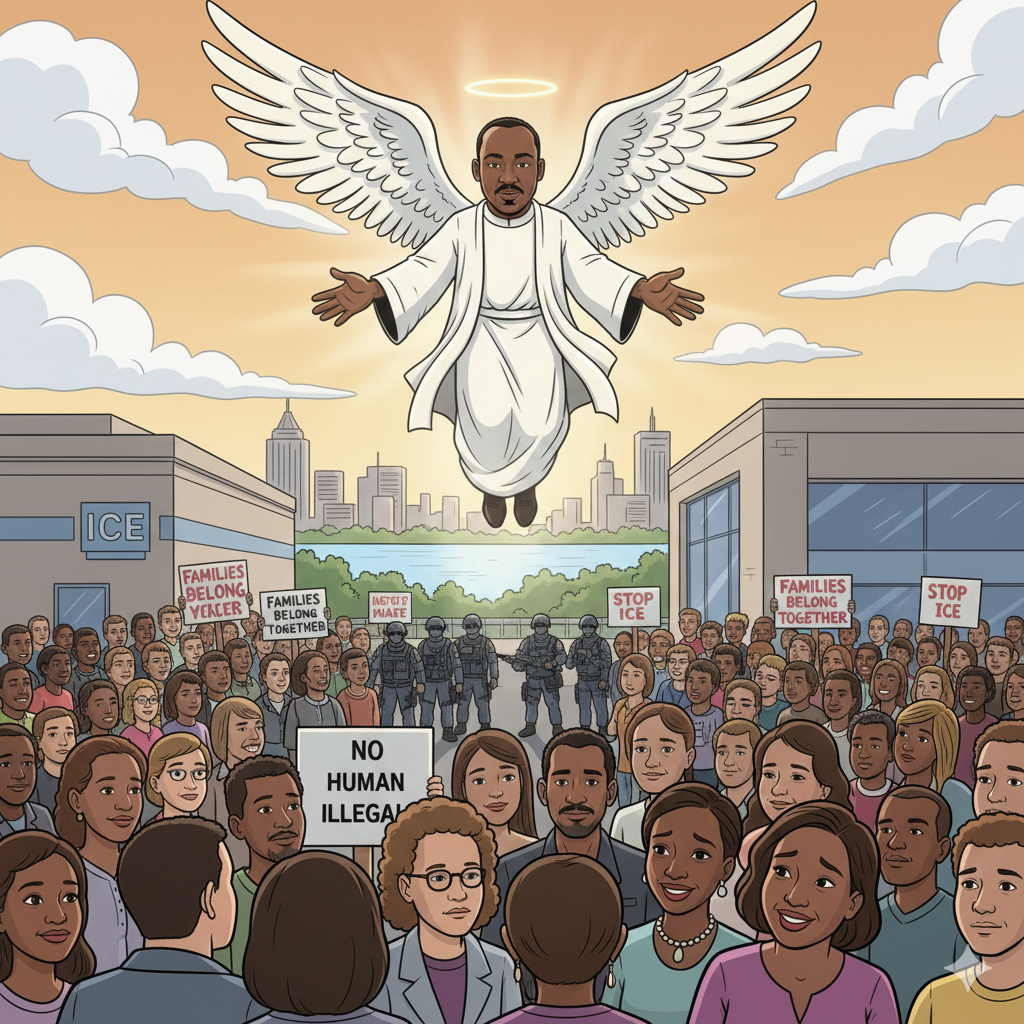
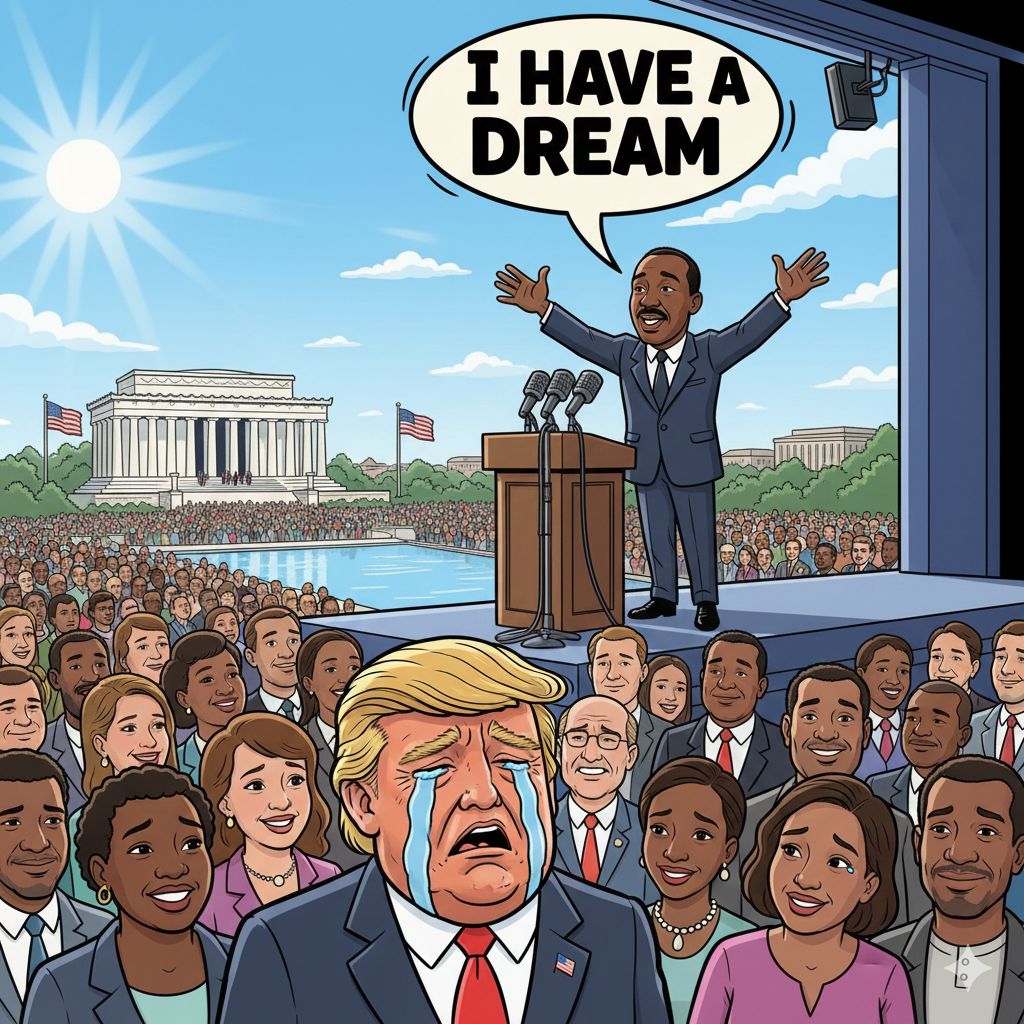

Quick Note: That list picture was created with this prompt: create an image of successful and notable African Americans with the text “I have a dream” overlayed above it. If you ever had any doubts that AI can make mistakes, ask yourself when Nancy Pelosi (blue dress next to Obama) became a successful or notable African American.
GenAI hallucinations about white female politicians being black (or a bout LeBron James being shorter than her) aside, the point stands: we live in a world where creating some form of text that is not just written words on a page is easier than ever before. Consider the many public, digital, and potentially multimodal forms/genres of texts that we encounter on a daily basis:
-
- Memes
- Podcasts
- Emails
- Social Media Posts
- Instagram Stories
- Instagram Reels
- Websites
- YouTube Videos
- Digital News Stories
- Blogs
- Flyers
- Posters
- Anything and Everything AI
As that list clearly shows, much of the public writing that we read now exists in forms other than just written texts and in mostly digital spaces. And the use, impact, and effectiveness of all those digital spaces changes depending on the audience/public you’re going to be engaging with.
For example, consider one of the potential social justice issues you might write about: the refugee crisis/immigration crisis. A significant percentage of the public you might choose to engage with on that topic is likely to have some kind of language barrier, with English serving as their second language or maybe even not speaking it at all. That would play a key role in determining how you’d be able to reach them, particularly in digital spaces. Choosing a format that allows for the use of subtitles or alternate-language voiceovers – like Instagram reels or YouTube videos – might make for a more effective choice.
Even for ‘basic’ writing – like an essay – public writers have more options than ever before. A Word document, for instance, can include audio, video, images, and hyperlinks to enhance and augment your writing. Posting your written work on a site like Medium can help you to both reach a wider overall audience and engage in conversation with other members of the specific public your issue is tied to.
Think About It
Consider the social justice issue you’re interested in writing about. What are some of the ways members of that public use to discuss the issue? Where are those conversations happening?
Media Attributions
- Gemini_Generated_Image_iqv0qciqv0qciqv0
- Gemini_Generated_Image_8sqlwj8sqlwj8sql
- Gemini_Generated_Image_z1omtqz1omtqz1om